Skin Barrier Function: Why It Matters More Than You Think (And How to Repair It)
The Foundation of Healthy Skin
At Glamore Beauty Bar Skin + Laser Clinic, we often see clients experiencing sensitivity, dehydration, redness, or breakouts that stem from a compromised skin barrier.
The skin barrier is the outermost layer of the skin responsible for maintaining hydration, protecting against environmental stressors, and regulating inflammation.
When functioning properly, it locks moisture into the skin while preventing irritants and bacteria from penetrating the surface. Many common skin concerns such as redness, dehydration, irritation, and breakouts can often be traced back to a damaged skin barrier.
When the barrier becomes compromised, the skin may appear dull, reactive, inflamed, and increasingly difficult to treat.
Modern skincare routines often emphasize exfoliation, strong active ingredients, and aggressive treatments. However, without a healthy barrier, even the most advanced skincare products struggle to deliver consistent results.
Restoring barrier integrity is the foundation of healthy, resilient, radiant skin.

Make it stand out
Whatever it is, the way you tell your story online can make all the difference.
What Is the Skin Barrier?
The skin barrier sits within the stratum corneum, the outermost layer of the epidermis.
Dermatologists often describe this structure as a brick-and-mortar system:
• Skin cells act as the bricks
• Lipids such as ceramides, cholesterol, and fatty acids act as the mortar
Together they create a protective seal that:
• Prevents water loss
• Protects the skin from bacteria and pollutants
• Maintains smooth texture and luminosity
• Helps regulate inflammation
When this lipid structure becomes depleted, the skin loses its ability to retain moisture and becomes more vulnerable to irritation and environmental damage.

Signs of a Damaged Skin Barrier
Barrier damage has become increasingly common due to over-exfoliation, harsh cleansers, and overly complex skincare routines. A compromised or damaged skin barrier can present in several ways. Recognizing the early signs can help prevent further irritation and restore skin health more quickly.
Common signs include:
• Persistent dryness or dehydration
• Tightness after cleansing
• Increased sensitivity or redness
• Burning or stinging from skincare products
• Sudden breakouts
• Flaky or rough texture
• Skin that looks dull or fatigued
• Slower healing after treatments
Many people mistakenly respond by using more exfoliating products, which often worsens the condition.
Instead, the focus should shift toward calming inflammation and restoring the skin barrier.
The #1 Cause of Skin Barrier Damage: Over-Exfoliation
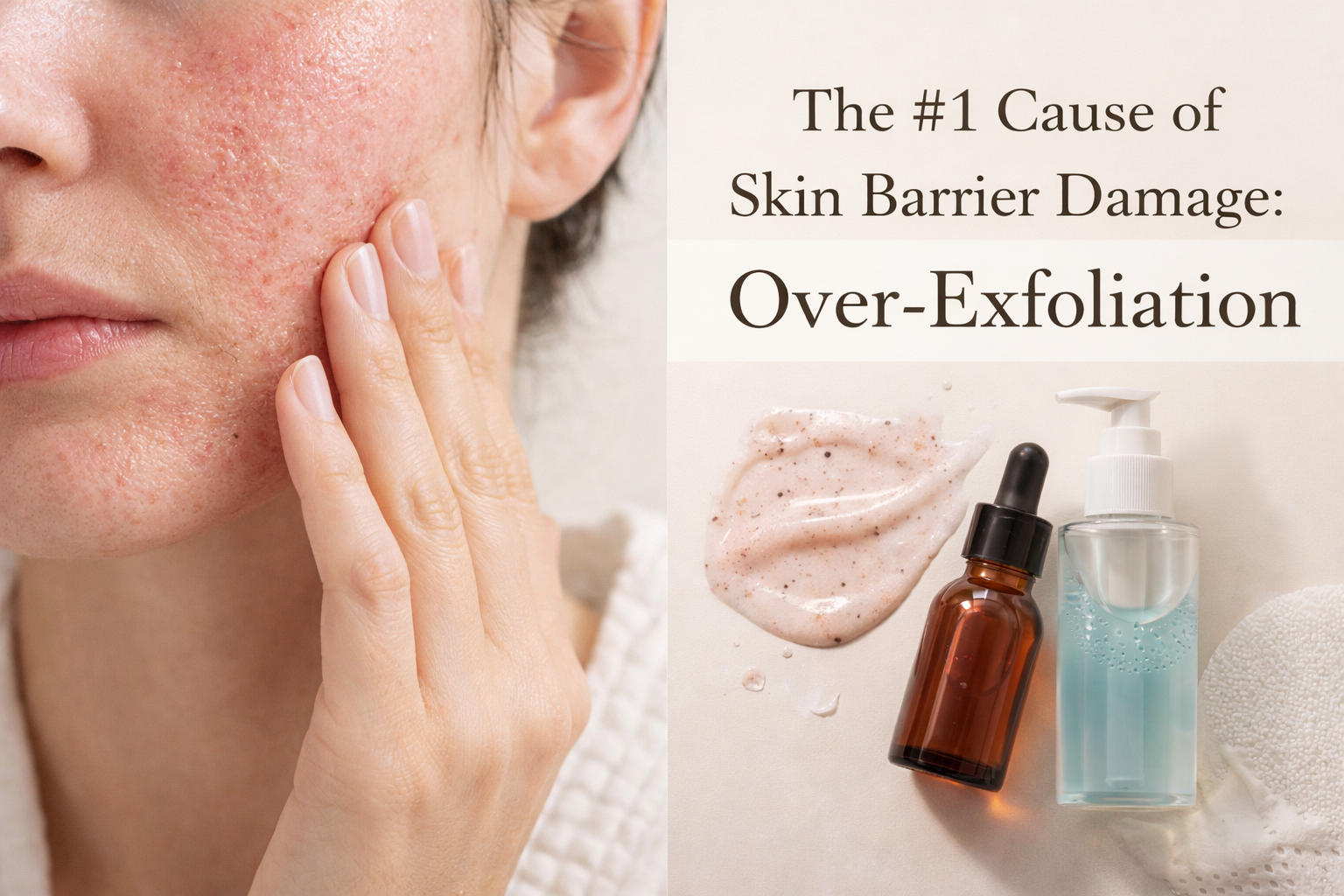
Over-exfoliation is one of the most common causes of barrier disruption.
While exfoliating acids, scrubs, and resurfacing treatments can improve skin texture when used appropriately, excessive exfoliation strips away the protective lipids that maintain barrier integrity. One of the most common causes of a damaged skin barrier is excessive exfoliation. You can learn more about this in our guide to over-exfoliation and skin barrier damage.
Common causes include:
• Using exfoliating acids too frequently
• Combining multiple exfoliating products
• Overusing retinoids
• Harsh physical scrubs
• Frequent aggressive treatments without proper recovery time
When the skin barrier becomes depleted, the skin often becomes inflamed, dehydrated, and reactive.
How to Repair the Skin Barrier
Repairing the skin barrier requires a strategic approach focused on reducing inflammation, restoring lipids, and rebuilding hydration levels within the skin.
Both medical-grade skincare and professional treatments play an important role. If your skin has become irritated, dehydrated, or sensitive, focusing on how to repair the skin barrier should be the first step before introducing stronger active ingredients
Step 1: Simplify Your Skincare Routine
When the barrier is compromised, the first step is reducing irritation.
Temporarily pause:
• strong exfoliating acids
• retinoids
• physical scrubs
• overly aggressive treatments
Allowing the skin to stabilize creates the optimal environment for healing.
Step 2: Rebuild the Lipid Barrier with Medical-Grade Skincare
Medical-grade skincare formulated to support barrier repair can significantly accelerate recovery.
One of the most effective lines designed for barrier restoration is Epicutis.
Epicutis formulations are designed to reduce inflammation and support the skin’s natural repair processes, making them ideal for compromised or sensitive skin.
Key products that support barrier recovery include:
Epicutis Oil Cleanser
A gentle lipid-based cleanser that removes impurities while preserving the skin’s natural protective barrier.
Epicutis Lipid Serum
This powerful anti-inflammatory serum helps calm irritation while supporting restoration of the skin’s lipid matrix.
Epicutis Hyvia Crème
A deeply hydrating moisturizer designed to reinforce the barrier while restoring long-lasting hydration.
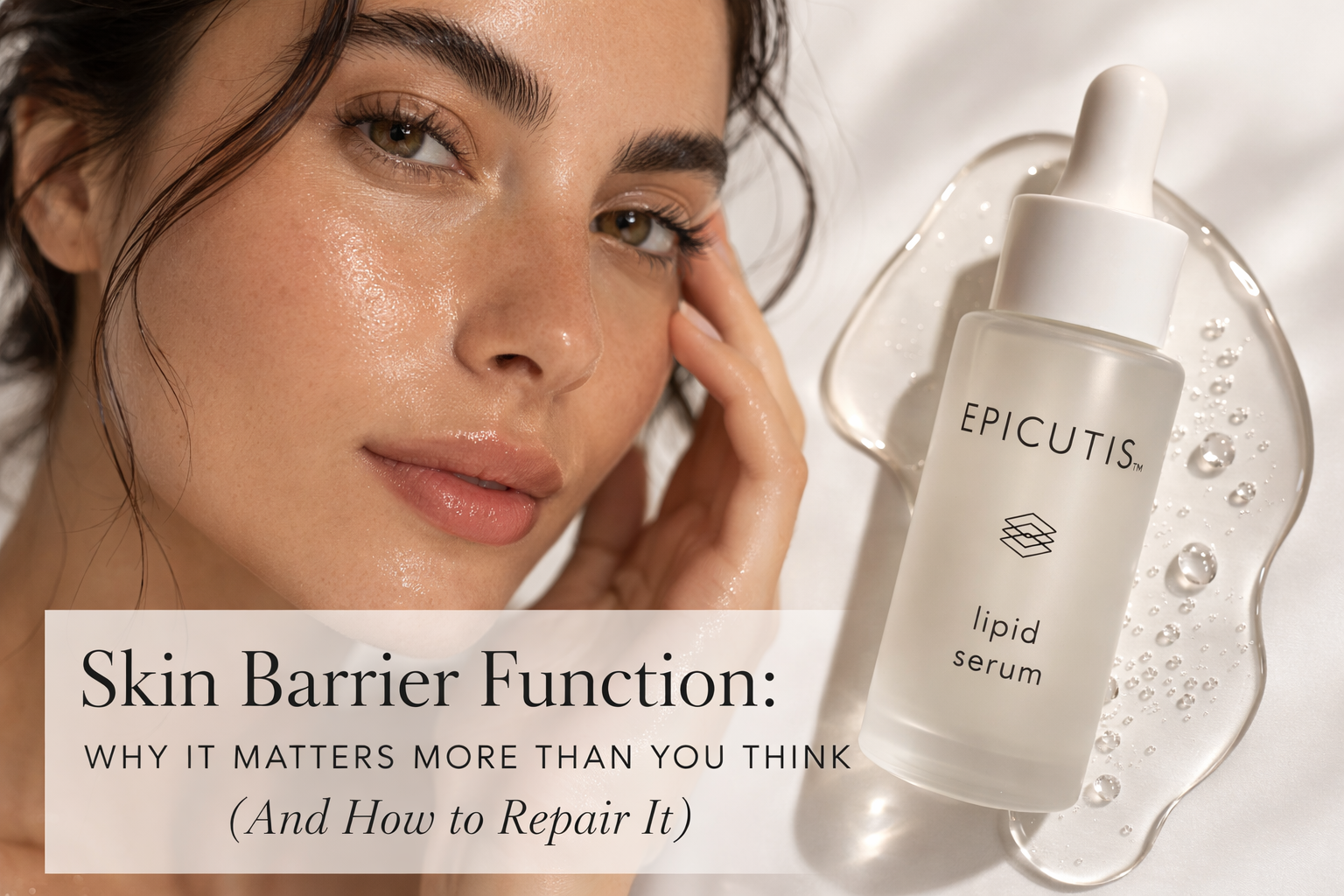
Epicutis™ Lipid Serum shown in use to support skin barrier repair, hydration, and calming inflammation in compromised skin.
Clinical Treatments That Support Barrier Repair
Professional treatments can significantly accelerate barrier recovery when performed correctly.
At Glamore Beauty Bar Skin + Laser Clinic, treatments are designed to support skin repair rather than aggressively disrupt the barrier.
Barrier-supporting treatments may include:
LED Light Therapy
Red and near-infrared light help reduce inflammation and stimulate cellular repair.
Hydrating Medical Facials
Professional facials designed to replenish hydration and calm inflammation help restore balance to compromised skin.
Microneedling with Regenerative Serums
When performed on properly prepared skin, microneedling stimulates collagen production while enhancing absorption of barrier-supporting ingredients.
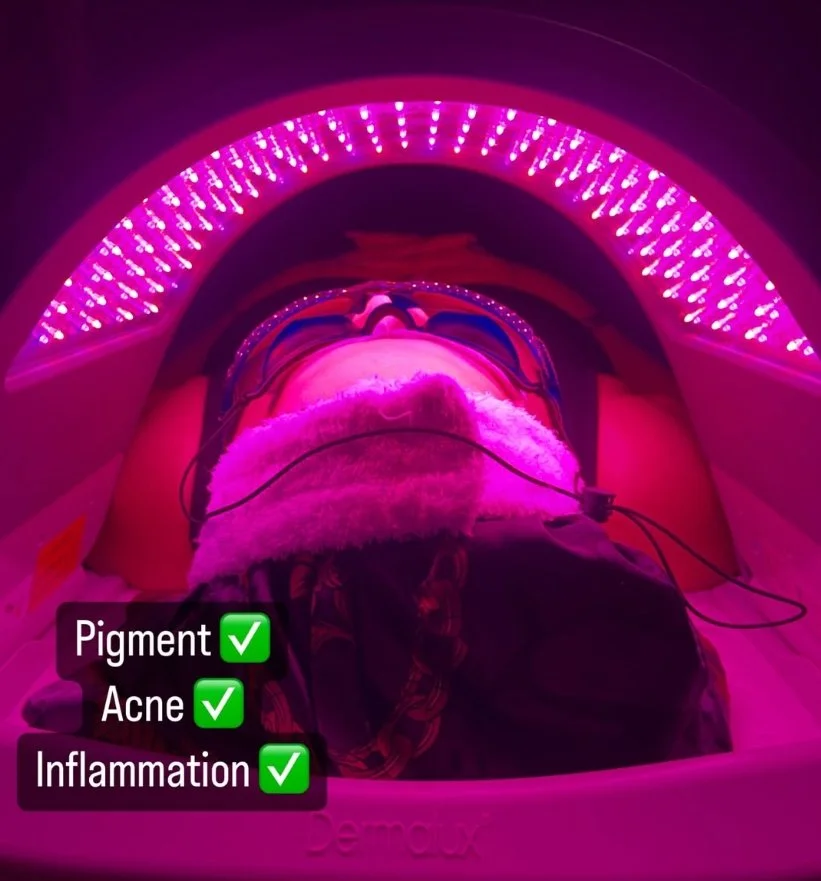
LED Therapy is a very effective way to promote healing and collagen production
Supporting Skin Barrier Repair Through Nutrition
Skin health is also influenced by internal factors such as diet and inflammation.
Certain nutrients help support the skin’s lipid structure and reduce oxidative stress.
Key nutrients include:
Omega-3 Fatty Acids
Found in salmon, flaxseeds, and walnuts, omega-3s help reduce inflammation and support skin hydration.
Antioxidants
Foods rich in antioxidants help protect the skin from environmental damage.
Examples include:
• berries
• pomegranate
• leafy greens
• green tea
Zinc
Supports wound healing and immune function within the skin.
Vitamin C
Supports collagen production and protects skin from oxidative damage.
Restore Your Skin Barrier with Professional Care
If your skin is experiencing sensitivity, dehydration, redness, or inflammation, a compromised skin barrier may be the underlying cause.
At Glamore Beauty Bar Skin + Laser Clinic, we offer customized treatments designed to restore skin health while strengthening the barrier.
Using advanced clinical treatments alongside medical-grade skincare such as Epicutis, we help restore hydration, calm inflammation, and rebuild skin resilience.
Book a consultation to create a personalized skin barrier repair plan.