Microneedling vs. Nd YAG Laser: Which Treatment Is Better for Your Skin?
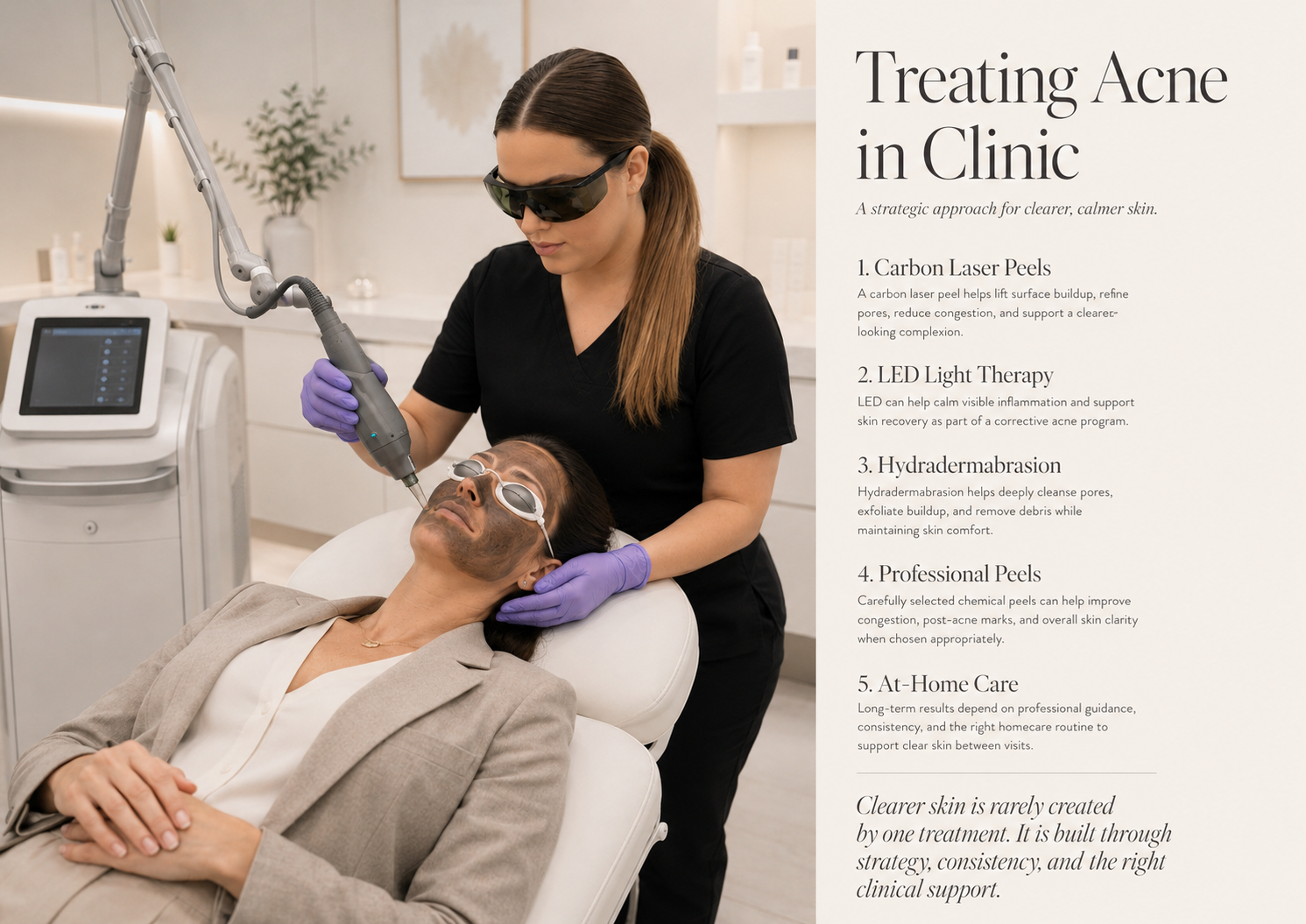
If your goal is clearer, smoother, more even-looking skin, you may have come across two very different treatments: microneedling and Nd:YAG laser treatments.
Both can be valuable tools in a corrective skin plan. Both can stimulate visible skin renewal. And depending on the concern being treated, there can even be situations where they complement one another.
But they do not work the same way.
The simplest way to understand the difference is this:
Microneedling primarily focuses on rebuilding and remodeling the skin.
Nd:YAG laser technology uses specific wavelengths of light to selectively target structures within the skin, including pigment, depending on the wavelength, device and treatment protocol.
So which one should you choose?
It depends much more on what we are trying to correct than on which treatment is more popular.
What Is Microneedling?
Make it stand out
Whatever it is, the way you tell your story online can make all the difference.
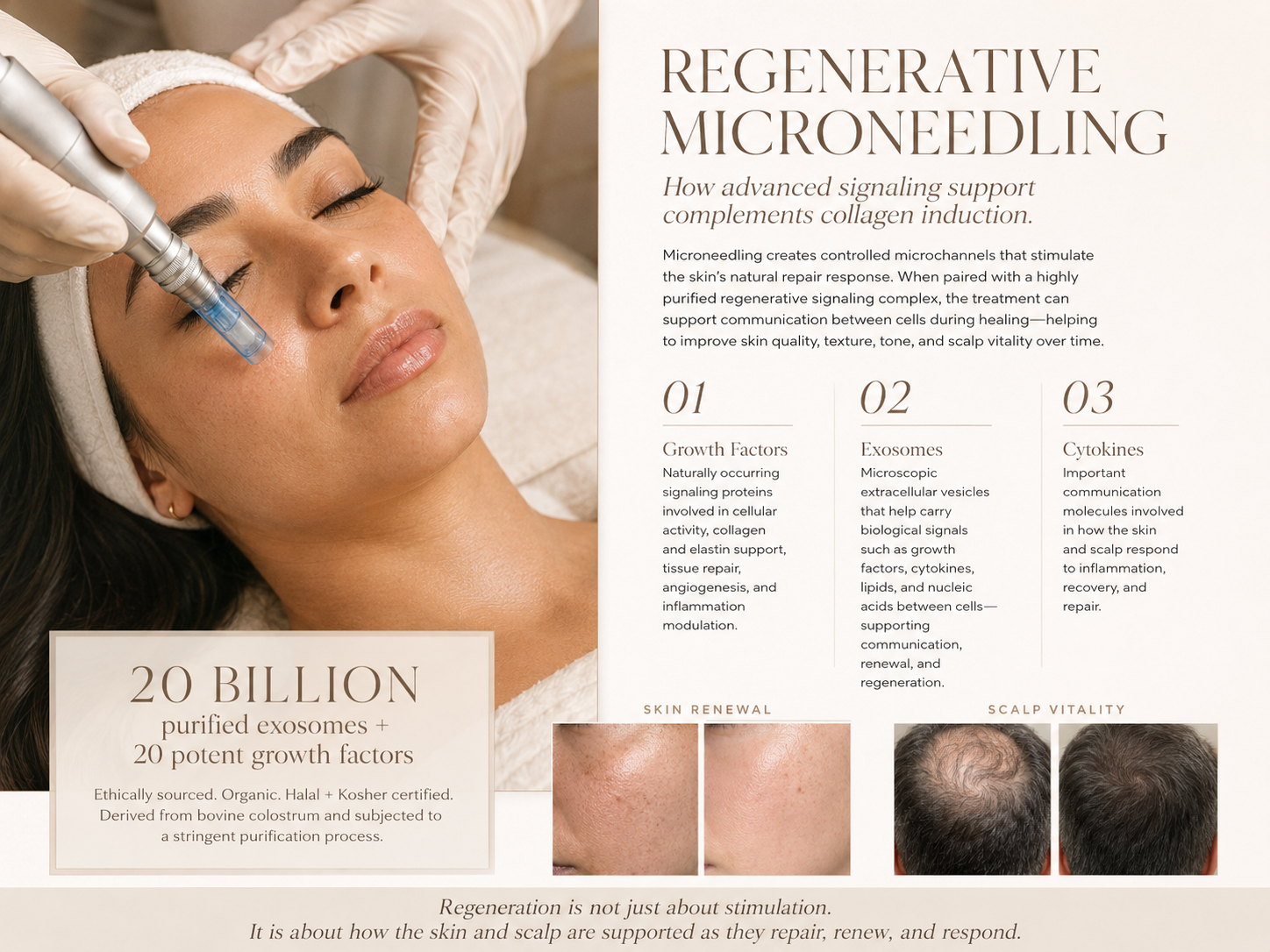
Microneedling, sometimes called collagen induction therapy, uses a professional device containing very fine needles to create controlled microchannels within the skin.
These controlled micro-injuries initiate the skin's natural wound-healing response and encourage the production and remodeling of collagen.
Rather than targeting a specific colour or pigment within the skin, microneedling works by encouraging the skin to repair and restructure itself.
At Glamore Beauty Bar Skin + Laser Clinic, we commonly consider microneedling for concerns such as:
Acne scarring
Uneven or rough skin texture
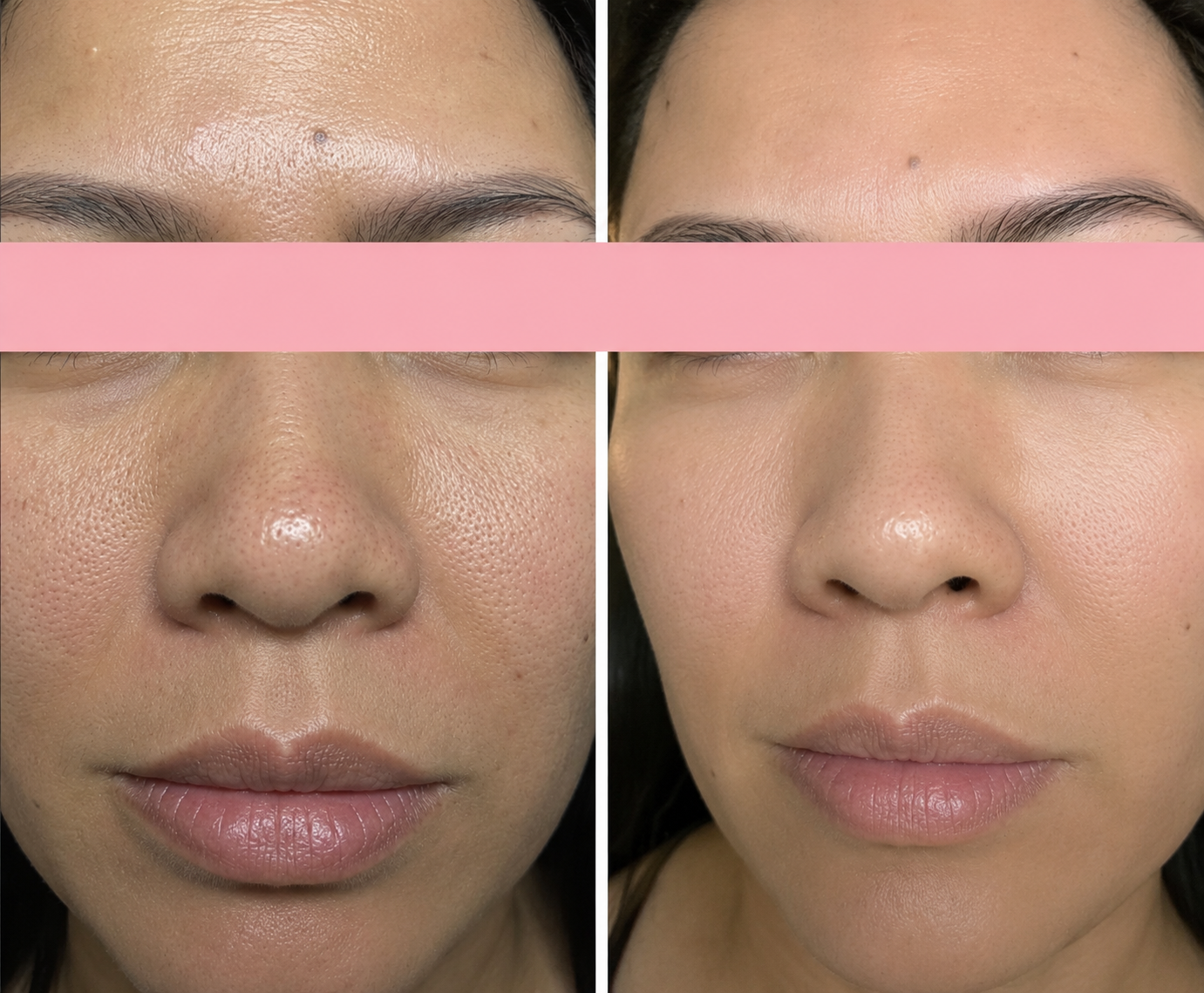
Enlarged-looking pores
Fine lines
Early signs of skin laxity
Certain types of post-acne discolouration
Overall skin rejuvenation
One of the major advantages of microneedling is its versatility across a wide range of skin tones.
Because the treatment does not rely on targeting melanin with light energy, it can be an excellent corrective option for clients with deeper skin tones when performed appropriately.
What Is an Nd:YAG Laser Treatment?
Nd:YAG is a laser technology that produces a specific wavelength of light, most commonly 1064 nm.
Depending on the device, additional wavelengths may also be available through specialized optics or handpieces.
This matters because different wavelengths interact differently with chromophores in the skin.
In pigmentation-focused treatments, laser energy can be used to selectively target unwanted pigment while minimizing unnecessary injury to surrounding tissue.
The 1064 nm wavelength also penetrates more deeply and has comparatively lower absorption by epidermal melanin than many shorter wavelengths. This is one reason Nd:YAG technology can play an important role when treating a diverse range of skin tones.
Depending on the device, settings, skin type and treatment objective, Nd:YAG-based treatments may be considered for concerns such as:
Uneven pigmentation
Sun-induced pigmentation
Certain brown spots
Post-inflammatory hyperpigmentation
Uneven-looking skin tone
Certain vascular concerns
Overall skin rejuvenation
Not every form of pigmentation should be treated the same way, however. Melasma, for example, requires a particularly careful approach because excessive heat or inflammation can potentially aggravate it.
This is why a proper skin assessment comes before choosing a laser simply because pigmentation is present.
Microneedling vs. Nd:YAG: The Biggest Difference
Think of the treatments as solving different parts of the problem.
Microneedling: REBUILD
Microneedling is primarily about remodeling the skin's structure.
If we are looking at acne scars, irregular texture, enlarged-looking pores or fine lines, stimulating collagen remodeling may be the priority.
Nd:YAG: TARGET
Laser treatment allows us to selectively deliver light energy according to a particular target and treatment objective.
When unwanted pigmentation is a major part of the concern, an appropriate laser protocol may allow us to address something that microneedling alone cannot target as selectively.
This distinction becomes particularly important when someone has both acne scarring and the dark marks left behind by acne.
Those are two different problems.
The indentation or textural scar involves changes in the structure of the skin.
The remaining brown or grey discolouration involves pigment.
Treating them as though they are the same condition can limit your results.
Which Is Better for Acne Scars?
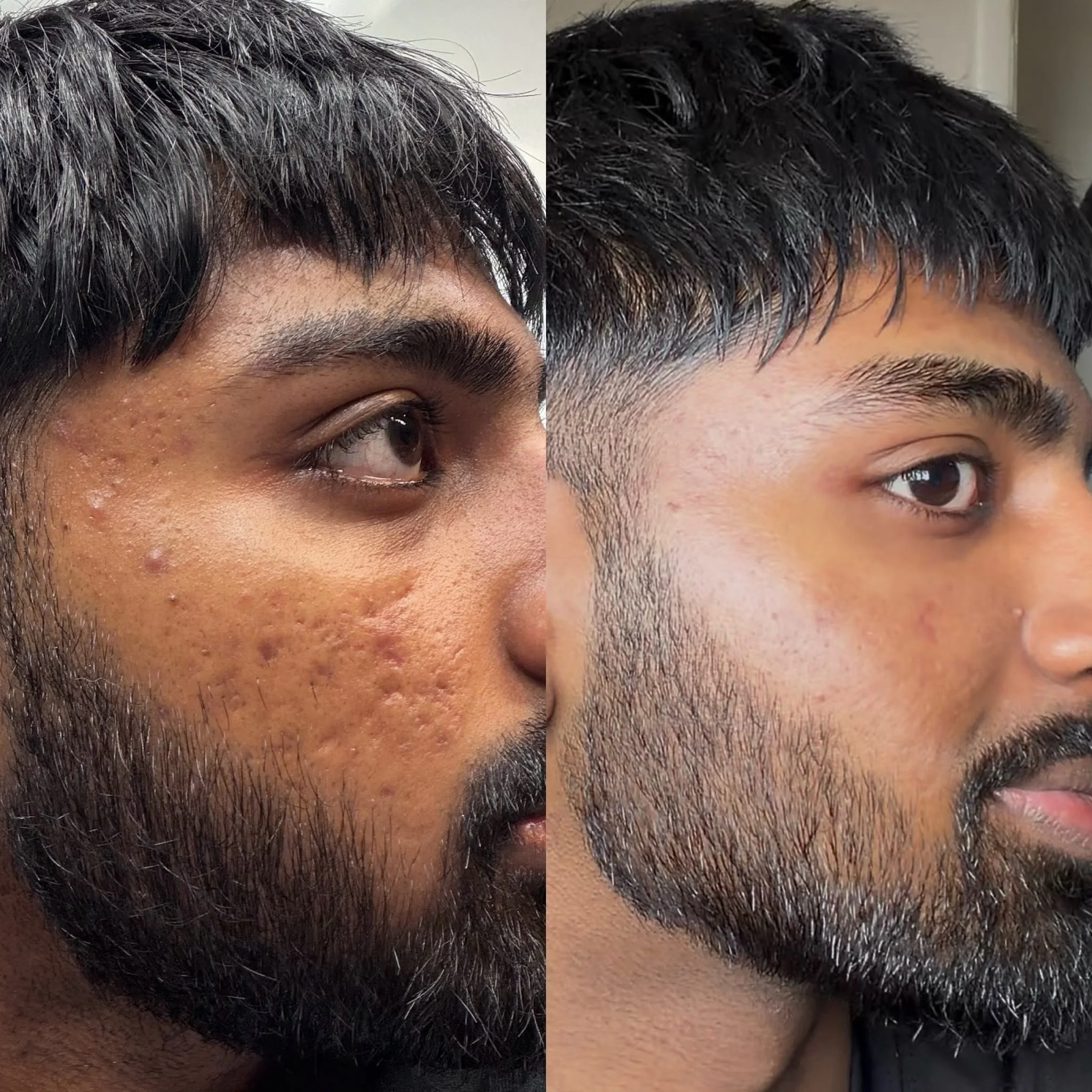
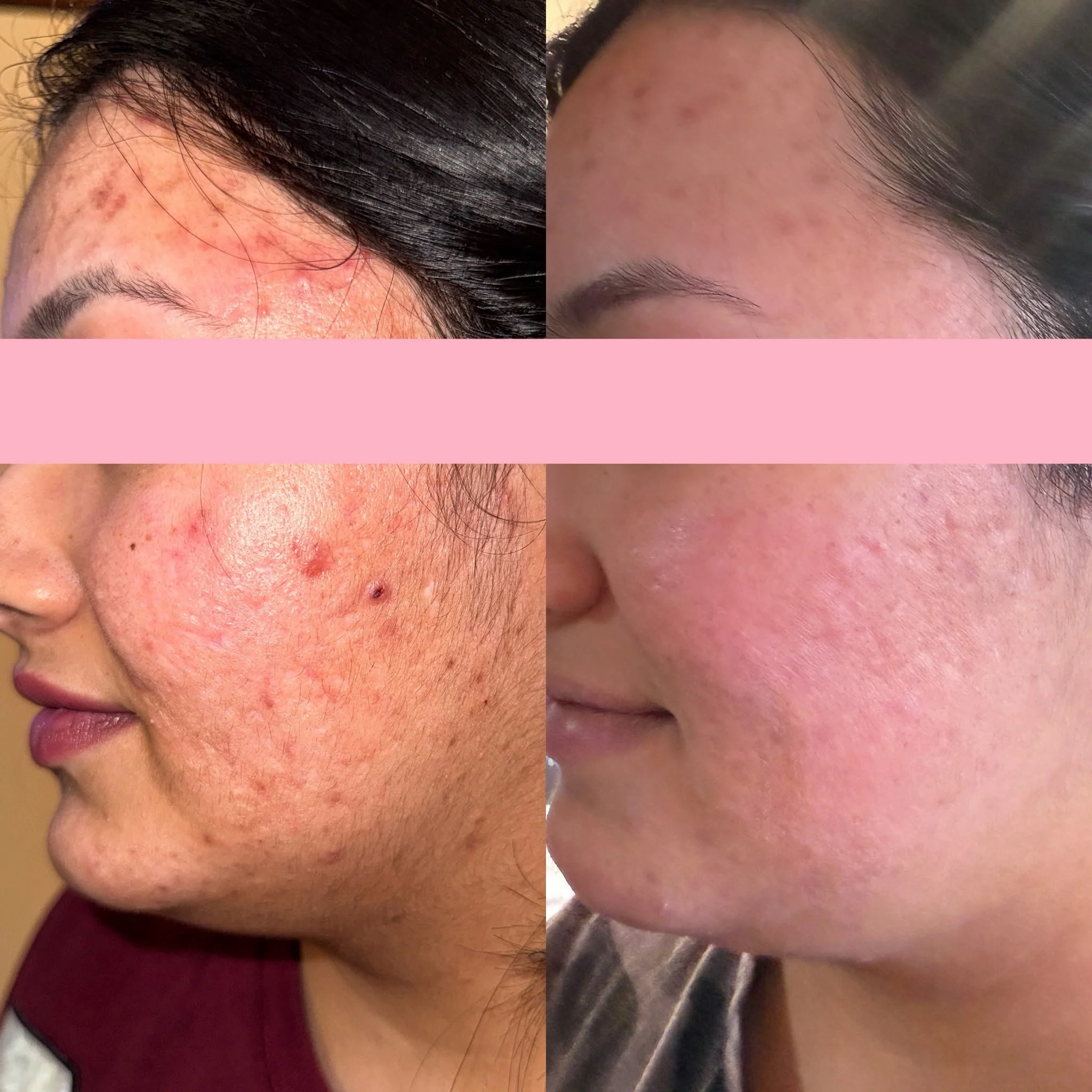
For true atrophic acne scarring, microneedling is often one of the treatments we consider first.
The controlled injury created during treatment stimulates collagen remodeling within the scarred tissue. Improvement occurs progressively as the skin heals and new collagen develops.
The goal isn't to simply make the scar temporarily look smoother. We are encouraging gradual structural remodeling of the skin.
However, many people who describe their concern as "acne scars" actually have a combination of:
Textural scarring + post-inflammatory hyperpigmentation.
In that situation, the best treatment plan may not involve choosing one technology over the other.
We may need to address both texture and pigment.
Which Is Better for Hyperpigmentation?
This is where laser treatment can have an important advantage.
Microneedling may gradually improve overall skin quality and certain types of uneven tone, but it does not selectively seek out pigment in the way an appropriately selected laser wavelength can.
For clients whose primary concern is visible pigmentation rather than textural damage, an Nd:YAG-based treatment may therefore be the more logical option.
But pigmentation must first be properly assessed.
A sunspot, post-inflammatory hyperpigmentation and melasma may all appear "brown," but biologically they are not necessarily the same problem.
That distinction determines how aggressively, or conservatively, we should treat the skin.
What About Darker Skin Tones?
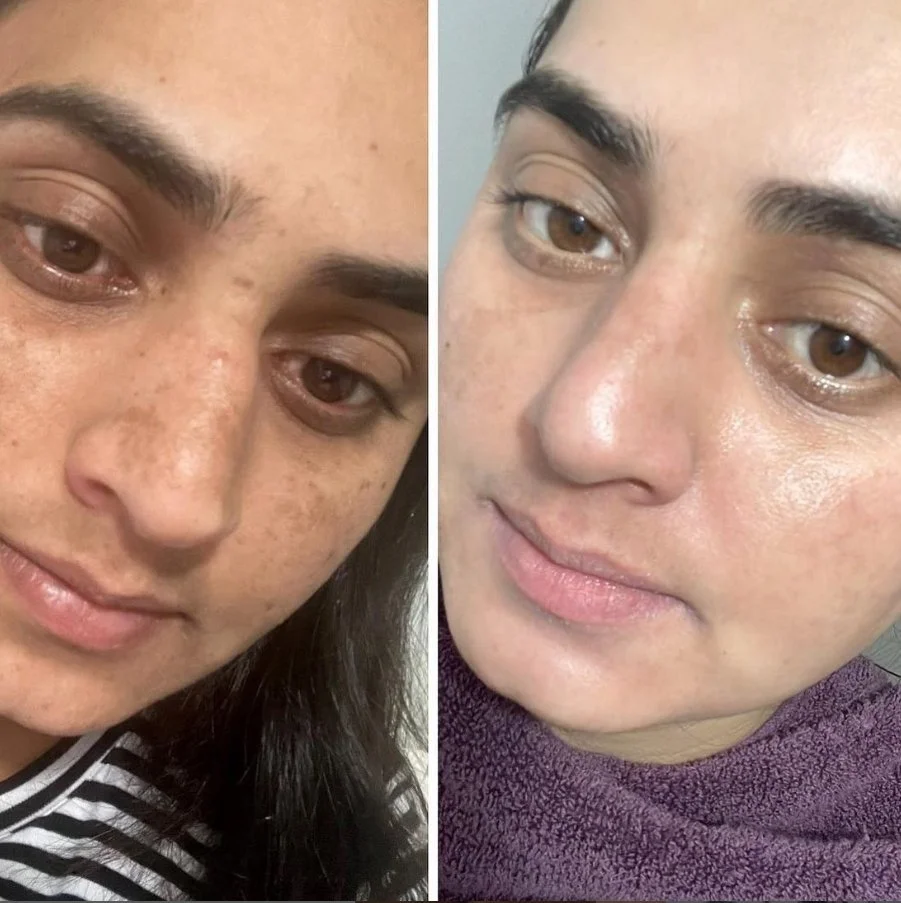
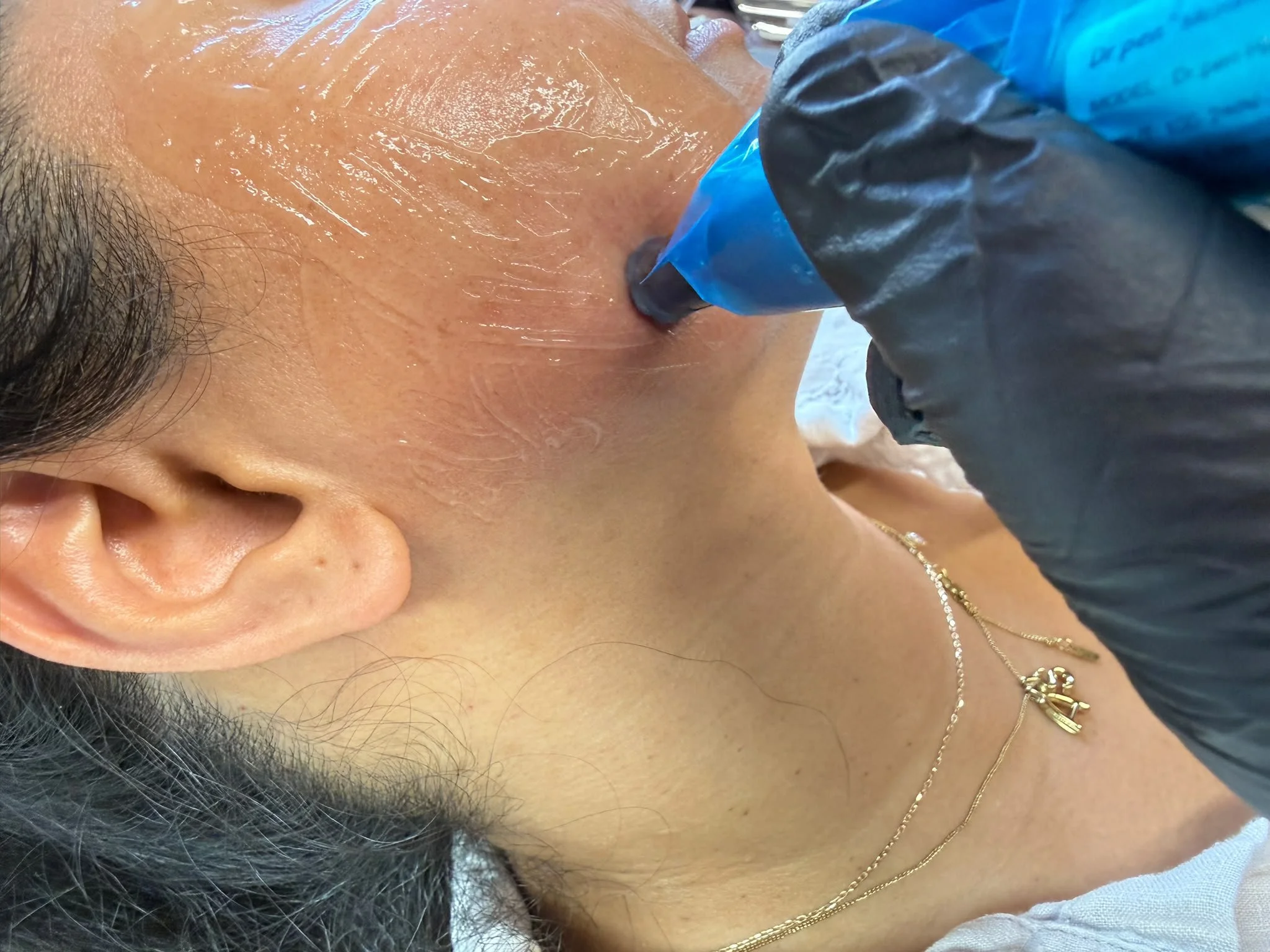
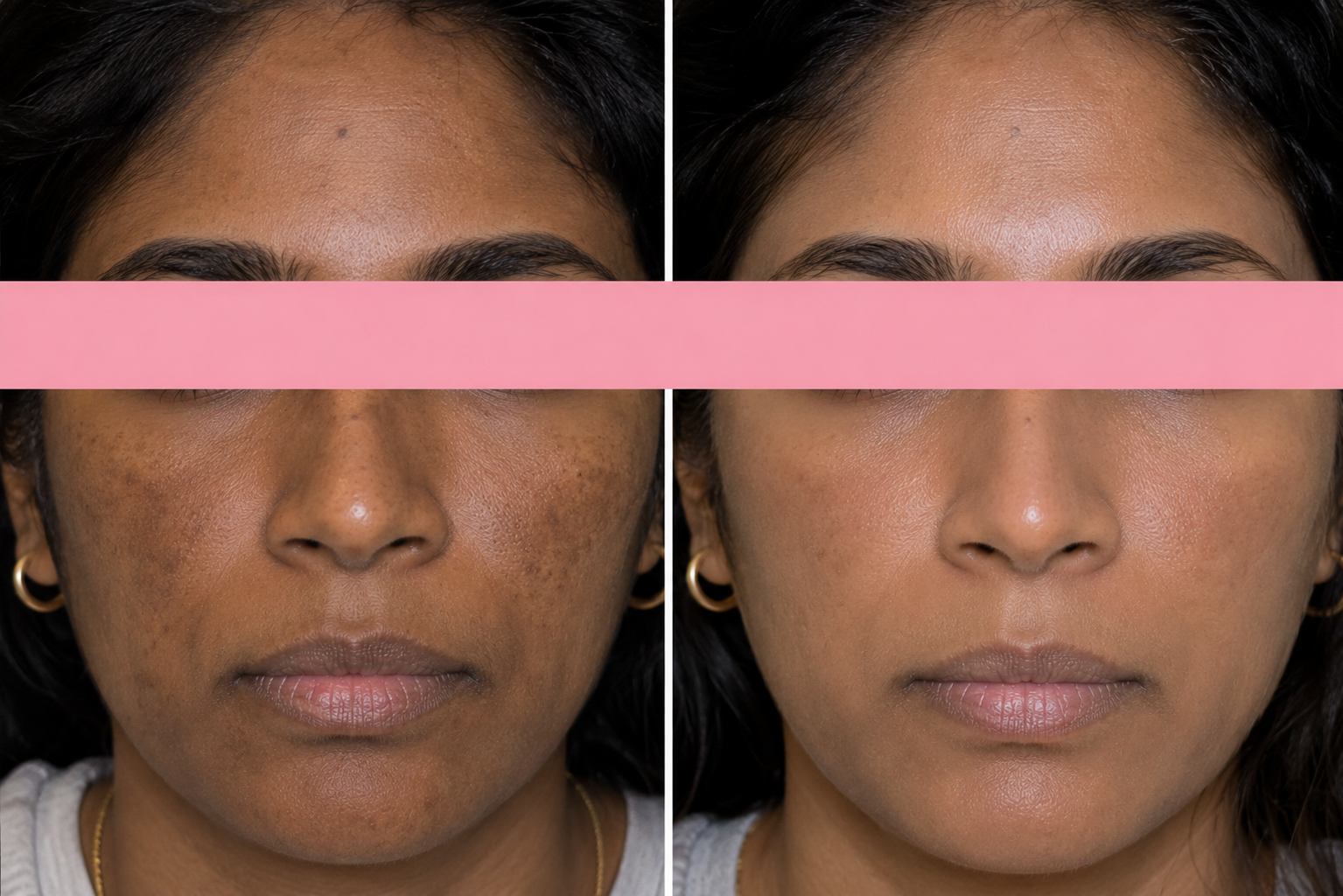
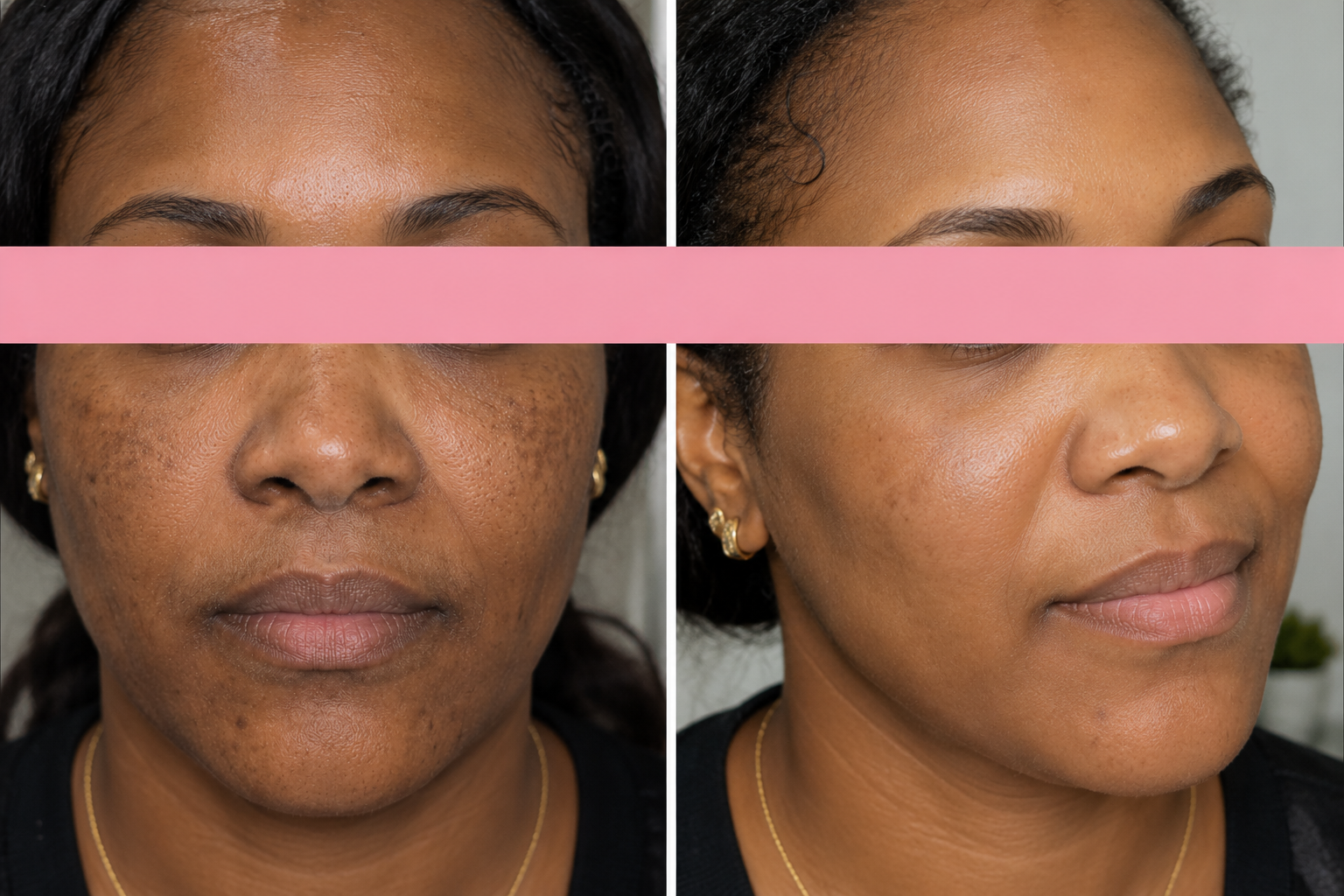
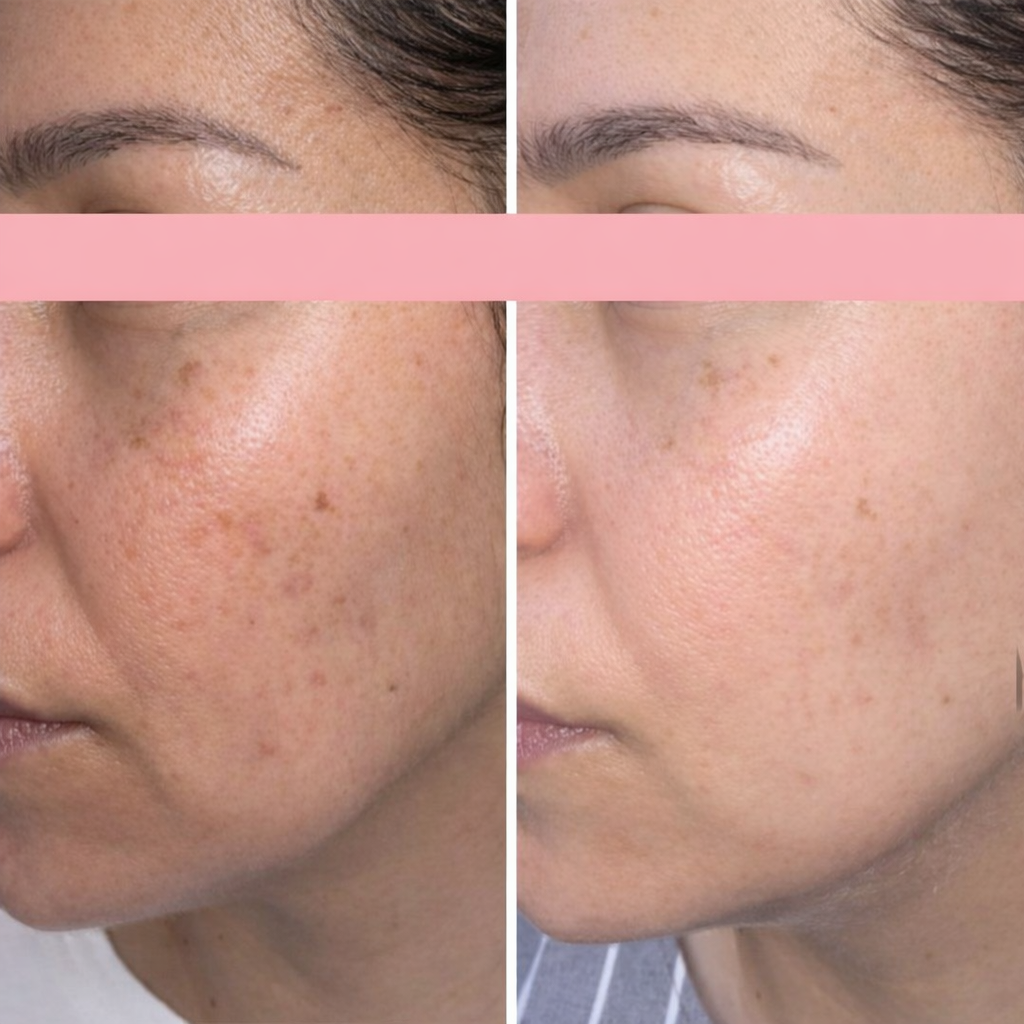
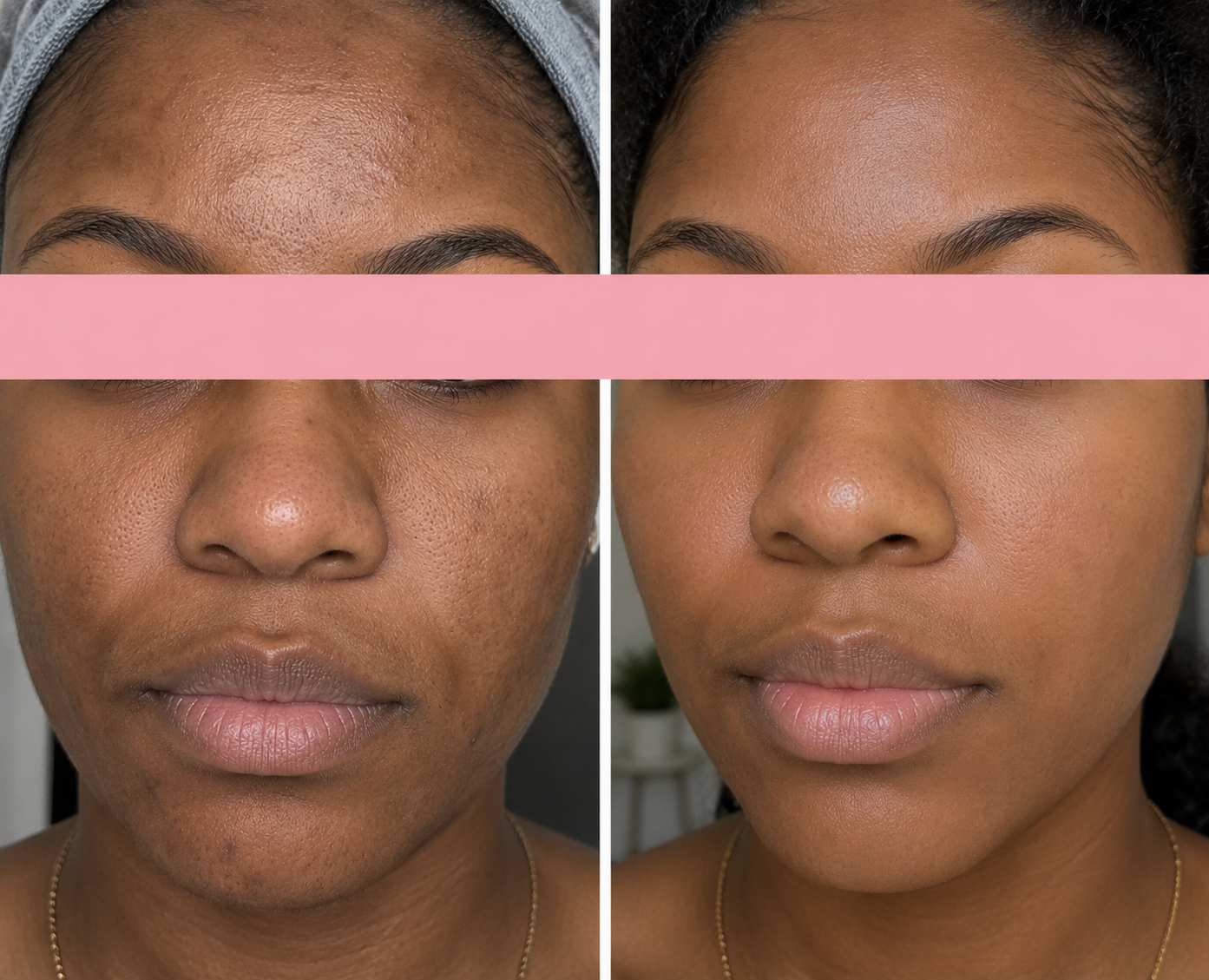
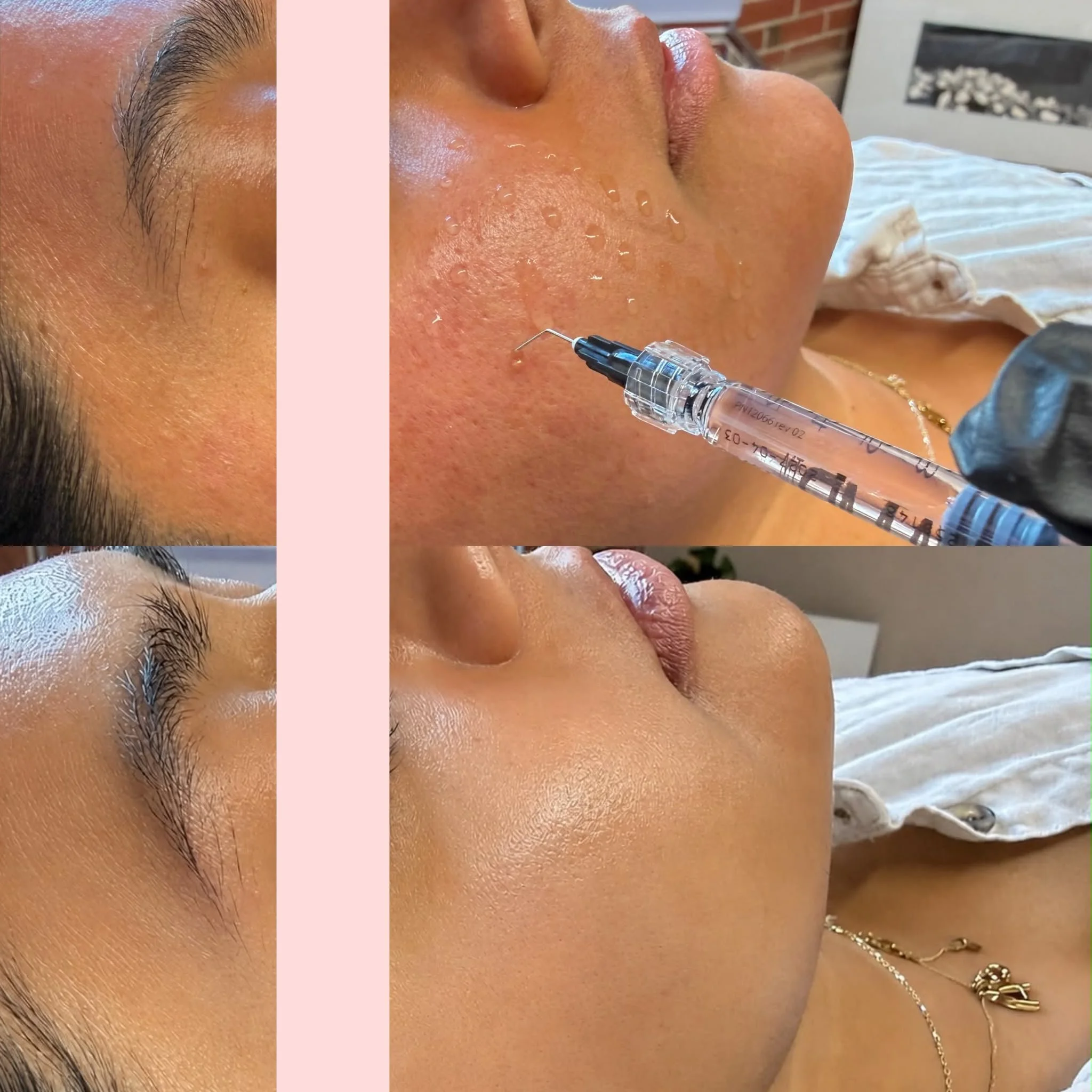
This deserves special attention.
Having more melanin does not mean that you cannot receive advanced skin treatments.
It means the treatment must respect the biology of melanated skin.
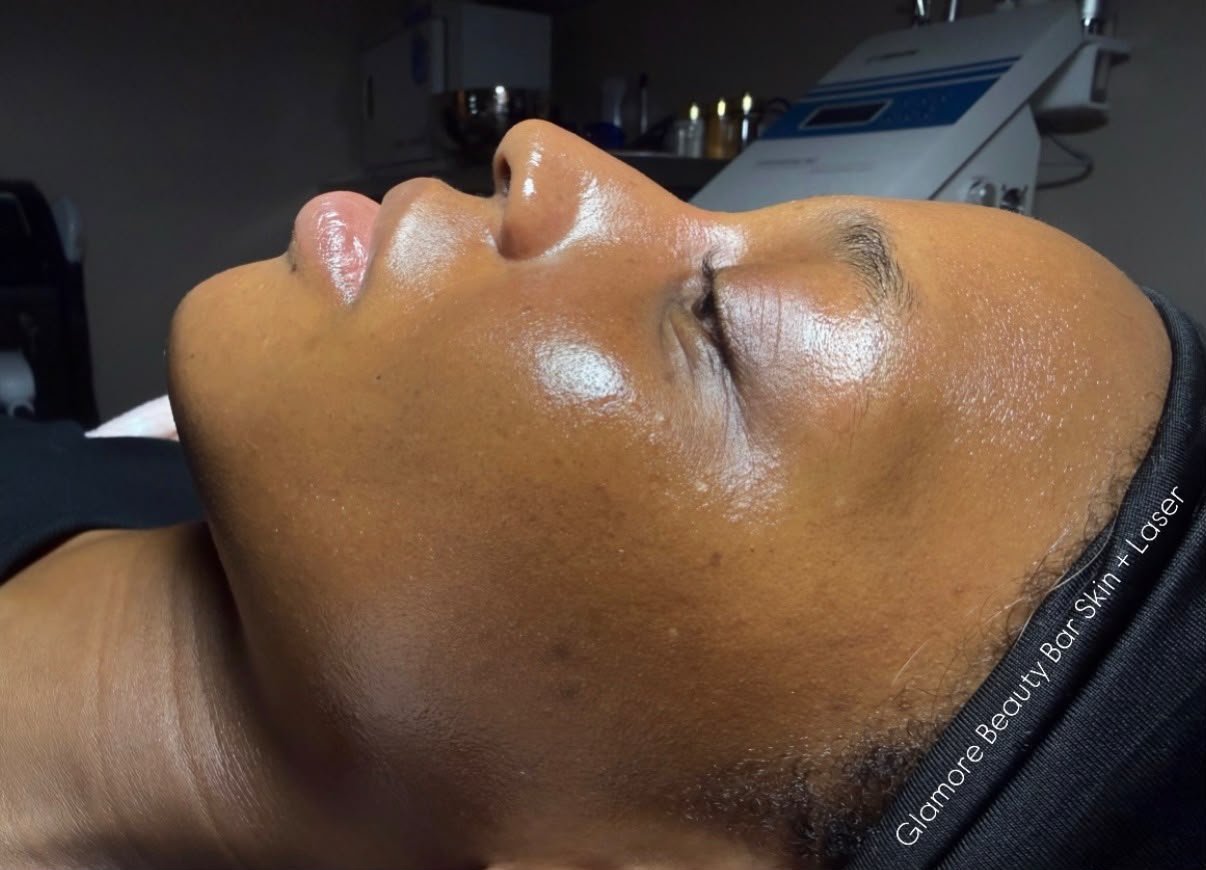
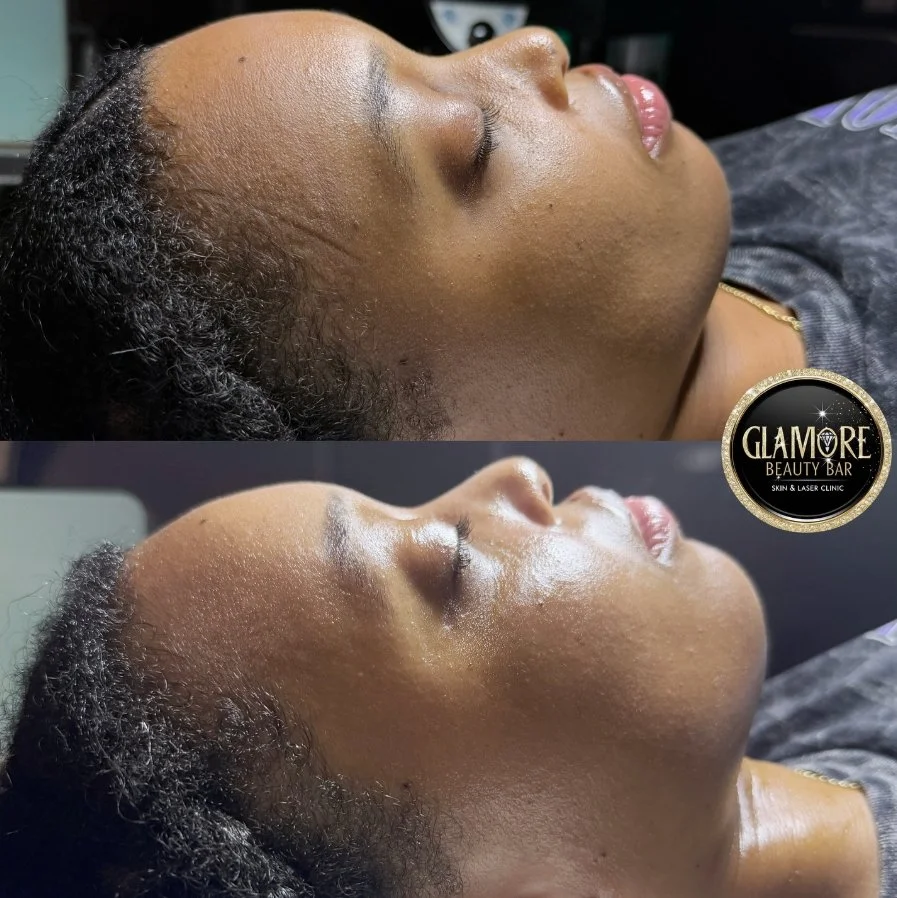
Fitzpatrick IV, V and VI skin can be more susceptible to post-inflammatory hyperpigmentation when excessive inflammation or inappropriate laser parameters are used.
Microneedling can therefore be particularly useful because it can stimulate collagen remodeling without relying on melanin as the treatment target.
When laser treatment is appropriate, 1064 nm Nd:YAG is particularly valuable because its longer wavelength has lower epidermal melanin absorption than shorter wavelengths and penetrates more deeply into the skin.
However, the wavelength alone does not make a treatment automatically safe.
Energy, pulse duration, spot size, treatment technique, skin preparation, recent sun exposure and the individual client's pigmentation response all matter.
At Glamore, we believe advanced technology should be adapted to the skin in front of us, not the other way around.
What About Downtime?
Both treatments can be performed with relatively manageable recovery periods, although this varies considerably depending on treatment intensity.
After Microneedling
Clients can typically expect temporary redness, warmth, tightness and sensitivity. Mild dryness or flaking can develop during the healing process.
Collagen remodeling continues well beyond the period when the skin looks visibly recovered, which is why microneedling results develop progressively.
After Nd:YAG Laser
Recovery depends heavily on what is being treated and the parameters used.
A gentle rejuvenation protocol may cause relatively little visible downtime.
A targeted pigmented-lesion treatment can produce a much more obvious response as the treated pigment darkens and gradually clears.
The appropriate endpoint is therefore determined by the treatment objective, not by trying to make every laser treatment look or feel the same.
So, Which Treatment Should You Choose?
If your primary concern is:
Acne scars or irregular texture:
Microneedling may be the better starting point.
Enlarged-looking pores:
Microneedling may be preferred.
Fine lines and collagen loss:
Microneedling may be incorporated into a collagen-remodeling program.
Visible pigmentation or sun damage:
An appropriate laser treatment may offer more targeted correction.
Post-acne marks plus acne scarring:
A treatment plan incorporating both modalities may be considered.
Melasma:
This requires individualized assessment. More aggressive treatment is not necessarily better.
Darker skin with pigmentation concerns:
Treatment selection and conservative parameter selection become especially important, and 1064 nm Nd:YAG may be considered where clinically appropriate.
Sometimes the Answer Is Both
Skin concerns rarely exist in isolation.
Someone may have acne scarring, enlarged-looking pores, uneven pigmentation and early collagen loss at the same time.
Trying to force every concern into a single treatment can be less effective than building a staged corrective plan.
For example, we may focus first on restoring skin health and controlling inflammation, then address pigmentation, followed by collagen remodeling treatments for residual texture.
For another client, the order may be completely different.
That is why we don't believe in choosing treatments based solely on what is trending.
We choose the modality according to the skin, the concern and the desired endpoint.
Microneedling and Nd:YAG Laser Treatments in Brampton
At Glamore Beauty Bar Skin + Laser Clinic in Brampton, our approach to corrective skin treatments begins with understanding what is actually happening within your skin.
Is the concern pigment?
Is it vascular?
Is it textural?
Is there collagen loss?
Is inflammation contributing to the problem?
Or are several of these happening at the same time?
Once we understand the underlying concern, we can determine whether microneedling, Nd:YAG laser technology, professional skincare or a combination approach makes the most sense for your skin.
Because the best treatment isn't simply the most powerful technology available.
It's the treatment that targets the right problem.
Not Sure Which Treatment Your Skin Needs?
You don't need to diagnose your own skin before coming in.
During your consultation, we'll assess your skin tone, pigmentation, texture, treatment history and goals before recommending an appropriate treatment plan.
Book Your Free Consultation at Glamore Beauty Bar Skin + Laser Clinic in Brampton.